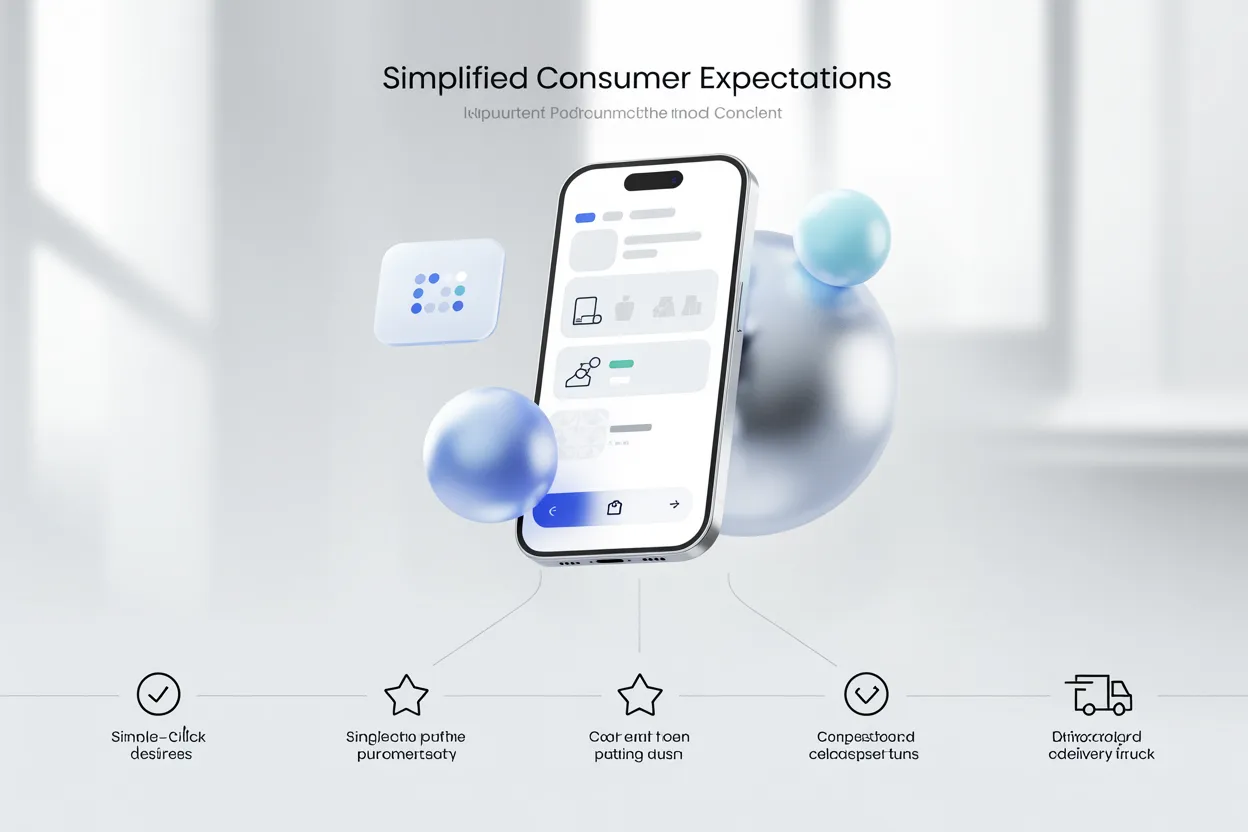
In a world that seems to move faster every year, something remarkable is happening. Consumers are starting to value simplicity over complexity, clarity over confusion, and seamless experiences over endless options. This shift towards simplicity in consumer expectations is not just a trend. It is a reflection of how people want to live, work and spend their time.
As life becomes busier and attention becomes more precious, simplicity has risen as a priority. People no longer want services that overwhelm them with choices or burden them with complicated processes. Instead, they want intuitive experiences that deliver value without frustration. This article explores what is driving this shift and why it matters for both consumers and the brands that serve them.
The Pressure of Too Much
The modern consumer lives in an age of abundance. There are more products, more services, and more ways to accomplish almost any task than ever before. While choice can be empowering, it can also be exhausting. When every decision feels like a series of questions and comparisons, it wears on our time and mental energy.
This information overload has caused a shift in what people value. Consumers are increasingly drawn to simplicity because it reduces friction, streamlines decision making, and creates emotional clarity. Rather than spending hours researching every detail, people want solutions that are straightforward, reliable and understandable.
The Value of Effortless Experiences
A key element of the shift towards simplicity is the desire for effortless experiences. Whether choosing a meal delivery app, choosing a travel option, or organising logistics for an upcoming move, people want processes that feel natural and intuitive. This means brands that focus on ease of use, clear communication and predictable results are winning hearts and loyalty.
For example, consider someone planning a long-distance relocation that involves transporting a vehicle. Rather than spending hours comparing quotes, booking systems and insurance policies, a consumer might choose a service that lets them transport your motorcycle Buckinghamshire with transparency and minimal effort. A simple, reliable process takes the guesswork out of logistics and allows the person to focus on other parts of the transition that matter emotionally and practically.
Simplicity Builds Trust
When a service or product feels easy to understand and use, it builds trust. People naturally gravitate towards experiences where they feel in control and not overwhelmed. Clear pricing, simple booking processes, responsive communication and straightforward policies all contribute to a sense of reliability.
This trust is especially powerful in areas where complexity used to be the norm, such as vehicle transport, financial services or technology. When companies simplify these traditionally complicated experiences, they differentiate themselves and create lasting customer satisfaction.
The Emotional Weight of Simplicity
Simplicity is not just about practicality. It is deeply emotional. When decisions are clear and processes are smooth, people feel calmer, more confident and more satisfied. In a world where stress is common and time is limited, simplicity offers relief. It gives space for joy and freedom rather than anxiety and overload.
Consumers are increasingly seeking products and services that help them live more meaningful lives, not just more convenient ones. Simplicity supports this by eliminating unnecessary complexity and helping people focus on what really matters.
How Brands Are Responding
Leading brands across industries are paying attention to this shift. They are redesigning products, trimming unnecessary features, clarifying messaging and removing barriers that once stood between a consumer and a seamless experience. From streamlined mobile apps to intuitive web services to logistics solutions that take the heavy lifting out of planning, simplicity is now a competitive advantage.
Companies that succeed in providing simple, human-centred experiences are rewarded with loyal customers, repeat business and positive word of mouth. These brands understand that simplicity is not about being basic; it is about being intentional and thoughtful in how a service fits into a consumer’s life.
Looking to the Future
As the trend towards simplicity continues, we can expect innovation to focus not on adding complexity but reducing it. Consumers will continue to seek experiences that save time, reduce stress and honour what matters most to them. In this evolution simplicity becomes a powerful force shaping how products are designed, services are delivered, and relationships are formed.
Ultimately the shift towards simplicity in consumer expectations reflects a deeper truth: people want life to be fulfilling, not complicated. They want solutions that support their goals, not distract from them. And they want experiences that make their journey easier, clearer and more joyful. Brands and services that embrace this shift are not just responding to consumer demand; they are helping shape a world where experiences feel purposeful and life feels more manageable.