Recovery after a truck accident is a long, structured process, not a single event. Most survivors need immediate medical care, a personalised rehabilitation plan, professional help for the emotional impact, and a carefully managed insurance or legal claim — and these four strands have to move forward together. Physical healing can take weeks or months, emotional recovery often takes longer, and financial stability depends on documenting everything from day one. This guide walks through each stage, from the first hours after the crash to returning to work, driving again, and rebuilding a normal life.
Surviving a severe truck accident is the beginning of a journey marked by challenges and milestones. It’s a path tangled with legal intricacies, financial pressures, and the painstaking process of physical and emotional healing. The road to recovery demands resilience, support, and access to a vast array of resources that can facilitate the transition to a new normal. In this article, we’ll explore the critical steps and supportive strategies that can make this daunting journey less overwhelming.
Immediate Steps After a Truck Accident
The first hours after a crash matter more than most people realise — for your health and for any later claim. Some injuries, such as whiplash, concussion, or internal bleeding, can remain hidden for hours or even days, so a prompt medical evaluation is essential even if you feel well enough to walk away. Emergency medical personnel can assess everyone at the scene, provide first aid, and decide whether hospital treatment is needed.
If you are able to do so safely, gather what evidence you can at the scene: photographs of the vehicles, the road, and any visible hazards; contact details for witnesses; and the other driver’s insurance and licence details. Note the time, the weather, and anything unusual you remember. These details can prove invaluable later when fault or negligence is being established. Then notify your insurer promptly and keep a written record of every call, appointment, and expense from that point onwards.
Equally important is the follow-up. Attend every scheduled appointment, even when you feel better, because gaps in treatment are routinely used by insurers to argue that an injury was not serious. A detailed medical assessment — often including X-rays, MRI scans, or CT scans — identifies fractures, internal injuries, and soft-tissue damage, and forms the basis of a personalised treatment plan covering medication, surgery where needed, and physical therapy.
Common Injuries After a Truck Accident
Because of the sheer size and weight of commercial vehicles, truck accidents tend to cause more severe injuries than ordinary car collisions. Understanding what you are dealing with helps you ask the right questions of your doctors and plan realistically.
- Traumatic brain injuries and concussion: Even a blow that seems minor can cause lasting headaches, memory problems, and difficulty concentrating.
- Spinal injuries and fractures: Broken bones and damage to the neck or back may require surgery, bracing, and months of rehabilitation.
- Soft-tissue injuries: Torn ligaments, muscle strains, and deep bruising often need extended physical therapy and rest.
- Internal injuries: Damage to organs or internal bleeding may not show symptoms immediately, which is why early scans matter.
- Psychological trauma: Anxiety, depression, and post-traumatic stress disorder (PTSD) frequently develop alongside physical injuries and can slow physical healing if left untreated.
No two accidents are identical. Each survivor’s injuries, medical history, and lifestyle demands differ, which is why a customised recovery plan — rather than a generic one — makes such a difference. That plan might combine physical therapy for fractures, chiropractic care for alignment problems, occupational therapy for daily tasks, and mental-health support for trauma.
The Journey Towards Emotional Healing After a Truck Accident
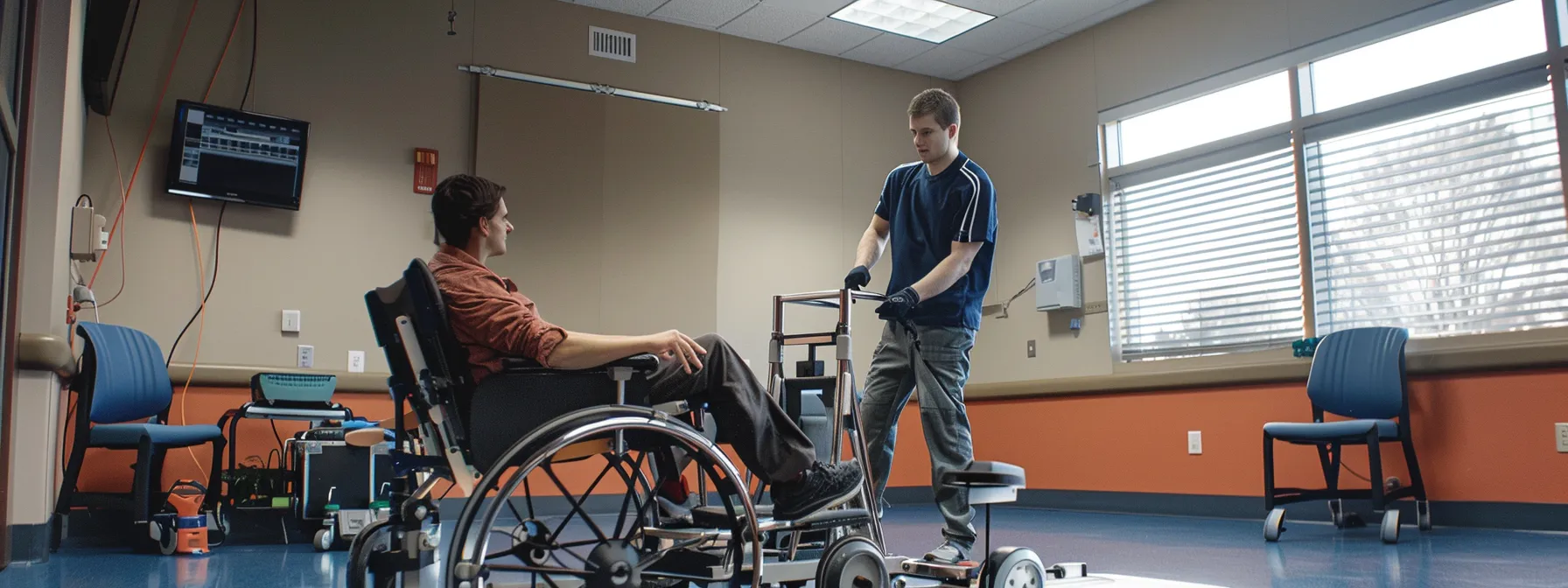
Truck accident survivors often experience emotional trauma after physical wounds heal, ranging from anger to anxiety and depression. Professional counseling and therapy are crucial for managing these complex feelings and facilitating mental recovery. Support groups provide a space for survivors to share their experiences, fostering solidarity and reducing isolation.
The emotional aftermath can be just as profound as the physical injuries. It is common for survivors to experience flashbacks, insomnia, mood swings, social withdrawal, and a fear of travelling or driving. Recognising these signs early is essential: they are normal responses to an abnormal event, not a sign of weakness, and they respond well to treatment. Therapies such as cognitive behavioural therapy (CBT) and trauma-focused counselling give survivors practical tools for managing intrusive thoughts, while in some cases a doctor may recommend medication alongside therapy.
Mindfulness and relaxation techniques like meditation and deep-breathing exercises can also help reduce stress and improve emotional state. Recognizing that emotional healing takes time and patience is essential, and celebrating small victories can help bolster morale and engagement in the healing process. A daily routine — even a simple one built around light walks, regular meals, and scheduled rest — restores a sense of structure and control when everything else feels uncertain.
Rebuilding Confidence Behind the Wheel
Many survivors find driving again one of the hardest milestones. A gradual approach works best: start as a passenger on short trips, then drive familiar local routes at quiet times, and consider a refresher driving course if anxiety persists. There is no deadline for this step, and pushing yourself too fast can set recovery back. If driving anxiety remains severe, a therapist experienced in trauma can help with graded exposure techniques.
Navigating the Legal Landscape Following a Tragic Crash
After a truck accident, understanding your rights and the potential for compensation is vital. Navigating the legal system can be complex, but a truck accident attorney can provide valuable guidance, handle insurance claims, and advocate for fair settlements on your behalf.
Building a strong case requires proper documentation, including medical records, witness statements, and accident photos. While the legal process may take time, a successful claim can ease financial burdens, covering medical bills, lost wages, and other recovery-related expenses.
Truck accident claims are often more complicated than ordinary car accident claims because several parties may share responsibility — the driver, the haulage company, a maintenance contractor, or even the manufacturer of a faulty part. Commercial vehicles are also subject to specific regulations, such as limits on drivers’ hours and vehicle maintenance standards, and a breach of those rules can be central to a claim. The US Federal Motor Carrier Safety Administration (FMCSA) sets many of these standards for commercial trucking. Keep every document: medical bills, receipts, pay slips showing lost earnings, and a diary of your symptoms and limitations. Never accept an early settlement offer before you understand the full extent of your injuries — some injuries take months to reveal their long-term impact, and once you settle, you generally cannot reopen the claim.
Time limits also apply. In most jurisdictions there is a strict deadline for filing a personal injury claim, so speaking to a solicitor or attorney early — even while you are still recovering — protects your position without adding stress, since the lawyer handles the paperwork while you focus on healing.
Physical Rehabilitation: Steps to Regain Strength and Mobility
Recovering from a truck accident often involves extensive rehabilitation to rebuild strength, restore mobility, and manage chronic pain. Physical therapists design personalized plans, combining therapy, medication, and alternative treatments to help survivors regain functionality and improve their quality of life.
A typical rehabilitation programme moves through stages. Early on, the focus is on reducing pain and inflammation and protecting injured tissue. As healing progresses, physiotherapy introduces targeted exercises to restore range of motion, strength, and flexibility. Occupational therapy then helps you relearn daily activities — dressing, cooking, working at a desk — and rebuild the fine motor skills and coordination that an injury may have disrupted. Pain management may also include massage therapy, acupuncture, heat or ice treatment, and, where appropriate, chiropractic care.
For those with long-term disabilities, adaptive equipment and home modifications can create a more accessible living space. In cases requiring respiratory care, pursuing a bachelor’s in respiratory therapy online can provide valuable knowledge to manage ongoing needs and support recovery.
Nutrition, Sleep, and Home Care
Recovery continues at home between appointments. A balanced diet rich in protein, vitamins, and minerals supports tissue repair, while proper rest allows the body to heal — avoid strenuous activity that could aggravate injuries. Good sleep is often disrupted after a trauma, so a regular sleep routine, limited screen time before bed, and relaxation techniques can make a real difference. Follow your therapist’s home-exercise programme consistently; small daily efforts compound into large gains over weeks and months.
Financial Recovery: Insurance Claims and Compensation Strategies

Truck accident survivors face significant financial burdens, necessitating prompt insurance claims and understanding insurance policies’ coverage and limitations. Financial advisors or attorneys can offer advice on managing immediate expenses and long-term financial health, navigating insurance policies and exploring additional compensation options.
Settlements and court-awarded compensations may take time, but financial support options like loans or assistance programs can help manage short-term expenses. Secured financial resources are crucial for recovery, as they enable access to quality medical care, rehabilitation, and support services essential for a full recovery.
Approach insurance claims strategically. Report the accident promptly, but be careful with recorded statements — stick to the facts and avoid speculating about fault or the extent of your injuries. Keep copies of every document the insurer sends, and log every conversation with names and dates. If the insurer’s offer does not cover your medical bills, lost wages, and future treatment costs, a solicitor can negotiate on your behalf. In the meantime, ask your medical providers about payment plans, and check whether you are eligible for sick pay, disability benefits, or charitable assistance programmes while the claim is pending.
Finding Support and Community in the Aftermath of a Truck Accident
The role of community support cannot be overstated following a truck accident. Local community centers and non-profit organizations often offer resources and programs tailored to the needs of accident survivors and their families. Online platforms can also be a rich source of support, providing an accessible and flexible medium for connecting with others, sharing experiences, and finding encouragement. These virtual support networks can be particularly helpful for those with mobility limitations or in remote areas.
Employers and educational institutions can offer accommodations to facilitate a gradual return to work or study. It’s important to communicate needs and limitations to foster a supportive environment for reintegration. Family and friends are an invaluable pillar of strength and support. Relying on trusted loved ones for assistance and companionship can help alleviate the emotional toll of recovery and reinforce the survivor’s resilience.
Returning to work deserves its own plan. A phased return — reduced hours, lighter duties, or remote work at first — lets you rebuild stamina without risking a setback. Discuss reasonable adjustments with your employer early, and get your doctor’s guidance in writing so expectations are clear on both sides. For more on the wider process of recovering after a serious road accident, see our guide to Seattle car accident recovery.
Setting Realistic Goals and Measuring Progress
Recovery rarely follows a straight line. There will be weeks of rapid improvement and weeks when progress stalls or pain flares up — both are normal. Setting small, specific, realistic goals keeps momentum going: walking a little further each week, sleeping through the night, completing a full day at work. Writing progress down in a journal makes improvement visible on days when it feels invisible, and it also creates a useful record for medical and legal purposes.
Review your recovery plan regularly with your medical team and adjust it as your needs change. Celebrate milestones, however small, and be honest with your doctors about pain, mood, and sleep — they can only help with what they know about.
Frequently Asked Questions
How long does recovery after a truck accident take?
It depends on the injuries. Minor soft-tissue injuries may improve within weeks, while fractures, spinal injuries, or brain injuries can take many months or longer. Emotional recovery often continues after physical healing. Your doctor and physiotherapist can give a realistic timeline once your injuries have been fully assessed.
Should I see a doctor if I feel fine after the crash?
Yes. Injuries such as concussion, whiplash, and internal bleeding may not cause symptoms for hours or days. Early assessment protects your health and creates the medical record that supports any insurance claim.
What should I do about the insurance company’s first settlement offer?
Do not accept it before you know the full extent of your injuries and future treatment costs. Early offers are often lower than what a claim is worth. Consider getting advice from a truck accident attorney before signing anything.
Can I claim for emotional distress after a truck accident?
In many cases, yes. Anxiety, depression, and PTSD linked to the accident can form part of a compensation claim, provided they are documented by a medical professional. Keep records of therapy sessions and how symptoms affect your daily life.
How can I help a family member recovering from a truck accident?
Offer practical help with transport, meals, and appointments; encourage them to attend medical and therapy sessions; listen without pressuring them to “move on”; and watch for signs of depression or withdrawal that may need professional attention.
When is it safe to drive again after a truck accident?
Only when your doctor clears you medically and you feel confident. Start gradually with short, familiar routes as a passenger first, then as a driver, and consider a refresher course if anxiety persists.
Altogether, recovering from a tragic truck accident is an arduous journey that touches every facet of a survivor’s life. Through the combined efforts of legal professionals, medical teams, and supportive communities, the road to recovery, while challenging, can lead to a renewed sense of strength and purpose.
Sign up for our Daily newsletter
We'll be in your inbox every morning Monday-Saturday with all the day’s top business news, inspiring stories, best advice and reporting from Entrepreneur,