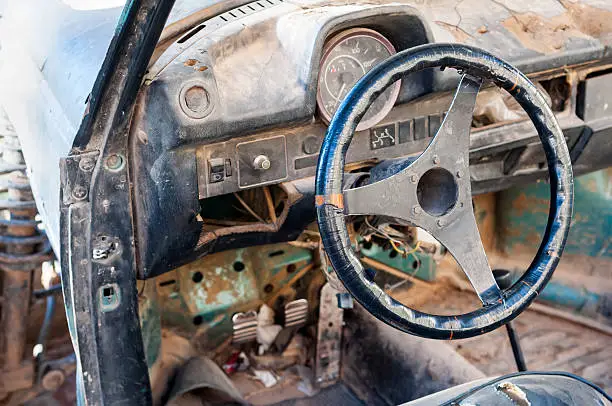
Short answer: A vehicle history report is the single most important document when buying a used 4×4. It reveals past accidents, title problems, odometer discrepancies, ownership changes and service history that a shiny paint job can hide. Before you pay anything, check the VIN, read the history report, inspect the undercarriage and suspension for off-road damage, test every four-wheel-drive mode, and have an independent mechanic inspect the vehicle. A clean history does not guarantee a perfect vehicle, but a bad history is a clear reason to walk away.
When it comes to buying a used 4×4, the decision goes far beyond good looks or a tempting price. A four-wheel drive is a working vehicle, built to handle rough terrain, steep tracks, mud, sand and river crossings. That capability is exactly why its past matters so much. A 4×4 that has spent years off road, towing heavy loads or crossing water can carry hidden wear in its engine, suspension, drivetrain and chassis, even if the bodywork looks immaculate. This guide walks you through the key considerations that will help you make an informed decision, avoid expensive surprises, and buy a used 4×4 that genuinely meets your needs.
Whether you are looking for a weekend adventure vehicle, a tow rig for a caravan or boat, or a dependable daily driver that can cope with unsealed roads, the same principle applies: buy the history and the condition, not just the badge. A well-maintained older 4×4 with a full service record is often a far better purchase than a newer example with gaps in its past. If you are browsing a used 4×4 for sale in Brisbane, the checks below are especially important, because Queensland vehicles are often used for beach driving, outback touring and heavy towing, all of which place extra demands on a four-wheel drive.
Understand the Importance of a Vehicle’s History
Before committing to any pre-owned vehicle, understanding its history is essential. A thorough vehicle history report gives you insight into past ownership, any recorded accidents, flood or fire damage, title brands such as salvage or rebuilt, odometer readings over time, and the service history of the vehicle. A clean report suggests the vehicle has been well maintained, which significantly affects both reliability and long-term performance.
A history report is not a guarantee, and no commercial report is complete. Insurers, workshops and registration authorities do not all report to the same databases, so an accident repaired privately may never appear. Even so, a report is cheap insurance against the most common traps. It can reveal that a vehicle was written off, stolen and recovered, used as a hire or fleet vehicle, or clocked — its odometer wound back. Any one of those facts changes the value of the vehicle and the risk you are taking on.
When reviewing the history of a used 4×4, look specifically for signs of off-road damage or rough use. While 4x4s are built to withstand rugged conditions, prolonged exposure to harsh environments without proper maintenance can lead to accelerated wear on the engine, suspension and undercarriage. A thorough review of the vehicle’s history can protect you from unexpected repairs down the road, and it gives you facts to negotiate with. If the report shows an accident, ask for the repair invoice. If it shows gaps in servicing, ask why. If the seller cannot answer, that silence is itself an answer.
Start With the VIN
Every check begins with the Vehicle Identification Number, the 17-character VIN. Check that the number on the dashboard plate, visible through the windscreen, matches the number on the driver’s door jamb label, the registration papers and the compliance plate. A mismatch, a loose or relabelled plate, or a VIN that looks tampered with is a reason to proceed with great caution or to walk away entirely.
Use the VIN to check for open safety recalls. In the United States, the National Highway Traffic Safety Administration provides a free recall lookup, and manufacturers in Australia and the United Kingdom offer similar VIN-based recall checks. An open recall is not necessarily a deal-breaker — it is usually a free dealer repair — but it is something you should know about and plan for. You can check recalls through the official NHTSA recalls service. A VIN decoder can also confirm the vehicle’s original specifications, engine, transmission and factory options, so you can spot a vehicle that has been rebadged or fitted with parts from another model. For background on how these systems work, see Wikipedia’s overview of four-wheel drive.
What a History Report Should Show
A good report should cover accident and damage records, title and registration history, odometer readings at each recorded event, the number of previous owners, where the vehicle was registered, and any finance owing or theft records. In Australia, a PPSR check reveals whether money is still owed on the vehicle — if it is, the lender could repossess it even after you have paid the seller. That check costs very little and should be non-negotiable. Look for a consistent story: regular servicing at sensible intervals, mileage that rises steadily, and ownership periods that make sense. Sudden drops in mileage, long periods with no record at all, or a vehicle that has changed hands every few months are all warning signs worth investigating.
Ask How the Vehicle Was Used
Paperwork tells you what happened; the seller can tell you how it happened. Ask directly how the 4×4 was used: daily commuting, towing, beach driving, rock crawling, farm work or long-distance touring. Each type of use wears different parts. Towing stresses the transmission, cooling system and brakes. Beach driving exposes the undercarriage to salt and sand. Rock crawling stresses suspension mounts, steering components and the chassis. A seller with a folder of receipts, especially for differential, transfer case and transmission fluid changes, is telling you something good. A seller who says “it has never been off road” about a lifted 4×4 with mud tyres, a winch and a snorkel is telling you something else.
Mileage Matters — But It’s Not Everything
Mileage is often one of the first things buyers look at when considering a pre-owned vehicle. While lower mileage generally indicates less wear, it is not always the decisive factor for 4x4s, which are built to be durable. What matters more is how the vehicle was used. A low-mileage vehicle used for hard off-roading could be in worse condition than a higher-mileage vehicle that was mainly used for city or highway driving.
Consider the context behind the number. A 4×4 with 200,000 kilometres that has spent its life on sealed highways, serviced on schedule, is often a safer buy than one with 90,000 kilometres that has been thrashed on trails every weekend. Highway kilometres are gentle: steady speeds, few gear changes, little suspension travel. Off-road kilometres are the opposite: low-range crawling, wheel spin, dust ingestion, water crossings and constant suspension articulation. When you inspect a 4×4, ask about how it was driven. A vehicle that has seen frequent off-road use may have endured more stress on the suspension and drivetrain, which can be expensive to repair.
Also consider the vehicle’s age alongside its mileage. Very low mileage on an older vehicle is not automatically good news. Seals dry out, fluids degrade, tyres age and crack, and a vehicle that has sat unused for long periods can develop problems that a regularly driven one would not. Check the age of the tyres, the condition of rubber hoses and belts, and whether fluids have been changed on time rather than on distance. Service intervals are usually expressed as “every 10,000 kilometres or 12 months, whichever comes first” for a reason.
Inspect the Undercarriage and Suspension
The underside of a 4×4 is particularly vulnerable to damage, especially if the previous owner regularly drove the vehicle in off-road conditions. Rust, dents and cracks can all be signs of excessive wear. Checking the condition of the suspension is also crucial, as it plays a major role in how the vehicle handles rough terrain.
Get low and look underneath with a bright torch, and wear clothes you do not mind getting dirty. Inspect the chassis rails, suspension mounts and structural components. Look for fresh paint over rough metal, which can hide rust or repairs; deep scrape marks, crushed sections and rust around joints. A dented bash plate may simply show trail contact, but bent chassis rails, cracked welds or flaking rust on load-bearing points are serious. Learn to read rust: light surface rust on a frame is normal, but flaking scale that peels off in layers means metal is being lost.
Check the exhaust, the areas around the differential and transfer case, and look for wet patches that may point to a leak. A damaged seal can turn into a much larger repair if oil loss starves a differential or transfer case. Inspect steel brake lines and fuel lines running along the frame — rusted brake lines are a safety repair, not a cosmetic one. Also look for flood clues: silt or a waterline inside the frame rails, corroded seat bolts, rust on parts that normally stay dry, and a musty smell or damp carpet inside.
The suspension system in a 4×4 must be able to absorb shocks from uneven surfaces, so make sure to test the vehicle’s performance on different road types. Any unusual noises or vibrations could signal a problem that will need attention. It is also a good idea to ask about any recent repairs or replacements related to the undercarriage or suspension, as these can be expensive fixes. A sagging corner, a vehicle that sits unevenly, or shock absorbers that leak oil all point to worn components. Remember that a lift kit raises the vehicle but does not fix worn bushes, ball joints or springs — and a poorly installed lift can accelerate wear on driveline angles.
Check the Engine, Transmission and Drivetrain
Start the engine from cold when possible. A cold start can expose sounds that disappear once the engine warms up: rattles, squeals, excessive smoke or a rough idle. Look through the engine bay for fluid staining, loose wiring and improvised repairs. Check oil and coolant levels and condition — milky oil can indicate coolant contamination, and dark, burnt-smelling transmission fluid suggests the transmission has been overheated or neglected.
For diesel 4x4s, which are common in Australia, pay attention around injector seals and hoses, and watch for persistent smoke after start-up. Blue smoke can indicate oil burning, black smoke can indicate over-fuelling or a turbo problem, and white smoke can indicate unburnt fuel or coolant entering the combustion chamber. None of these is a diagnosis on its own, but each is a reason to get a professional opinion before you buy.
The transmission should select gears cleanly, without slipping, flaring or harsh changes. Steering should respond without excessive play. On a manual, check that the clutch engages smoothly and does not slip under load. On an automatic, check that changes are smooth in both normal driving and under acceleration. Listen for whining from the differentials or transfer case, and for clicking or clunking from driveshaft joints when turning or taking up drive — a worn bearing, hub or driveshaft joint often reveals itself under load.
Check for Modifications
Many 4×4 owners modify their vehicles for better off-road performance, for example by adding lift kits, larger tyres or aftermarket shock absorbers. While these modifications can enhance the vehicle’s capabilities, they can also affect its overall performance and reliability. Be cautious of any extreme modifications that could suggest the vehicle was pushed to its limits.
Not every modification is a red flag. A well-chosen lift, quality suspension, a bull bar, a snorkel and underbody protection, fitted by a reputable workshop, can be a genuine asset and can save you thousands. The problem is quality and legality. A home-made lift, cut springs, oversized tyres that rub on full lock, a winch wired directly to the battery with no fuse, or a snorkel that is not sealed properly can all create problems. Ask for receipts and the name of the workshop that did the work. Check that the modification is legal in your state or territory and that it will not affect the vehicle’s ability to pass inspection or obtain insurance — in some jurisdictions, a lift beyond a certain height or tyres beyond a certain size require engineering certification.
Modifications can also affect the vehicle’s warranty, if any remains, and its roadworthiness. A vehicle that has been heavily modified for competition use may have a shortened service life in its drivetrain and suspension, even if it looks impressive. Consider whether the modifications suit your use. A two-inch lift and all-terrain tyres are useful for touring; a six-inch lift, 35-inch mud tyres and locked differentials suggest a vehicle built for serious rock work and driven accordingly.
Evaluate Tyres, Brakes and Body Condition
The condition of a vehicle’s tyres can tell you a lot about its past use. Uneven wear could suggest alignment or suspension issues, indicating that the vehicle may have been used for heavy-duty work or off-roading. Look for flat spots, damaged tread blocks and shiny patches where the tread has been worn down. Check that all four tyres are the same size and type, and check the spare — a missing or mismatched spare is a small detail that hints at how the vehicle was cared for. Also check tyre age: the date code on the sidewall tells you when the tyre was made, and tyres older than six years should be replaced even if the tread looks good.
The brake pedal should feel consistent and firm, not spongy or pulsing. Uneven tyre wear, a vehicle that pulls to one side under braking, or a grinding noise can indicate worn brakes, a sticking caliper or a suspension problem. Check the body and frame carefully for dents, scratches and inconsistent gaps between panels. Look for paint overspray or different paint shades, which could indicate past repair work. Scratches along the doors and quarter panels from tree branches and brush, often called “pinstriping”, can indicate off-road use. Inspect the interior for excessive wear, such as worn pedal pads, a shiny or loose gear lever, a sagging driver’s seat and worn seat belts. A vehicle’s interior should reflect its mileage — if the odometer says 60,000 kilometres but the driver’s seat is collapsed and the pedals are worn smooth, something does not add up.
Consider Future Maintenance Costs
Owning a 4×4 can come with higher maintenance costs, especially if the vehicle has been used off road. Tyres, brakes and suspension parts tend to wear out faster under these conditions, and repairs can be more expensive than those for standard cars. Factor this into your decision and consider buying a warranty or service plan if one is available. Before you buy, price the common consumables for that specific model: a set of all-terrain tyres, a timing belt kit, a clutch, a set of shock absorbers and a differential rebuild. The numbers will tell you quickly whether the purchase price is the real price, or just the first instalment.
Fuel economy is also an essential consideration. Many 4×4 vehicles are known for lower fuel consumption efficiency, so if you plan to use the vehicle as a daily driver, be prepared for higher fuel costs. However, if you are using it mainly for off-road adventures or as a second vehicle, fuel economy may be less of a concern. Diesel models are usually more economical on long highway runs and better for towing, while petrol models are often cheaper to buy and simpler to maintain. Work out your annual kilometres and your towing needs before you decide, and remember that a larger engine or aggressive tyres will cost you at the pump every week. If you are also thinking about selling your current car, our guide on tips for improving fuel efficiency before selling your car to a dealer can help you get a better trade-in value first.
Insurance is another cost that catches buyers out. Modified 4x4s, vehicles with a history of claims, and models known for theft can attract higher premiums, and some insurers will not cover certain modifications at all. Get an insurance quote using the vehicle’s VIN before you buy, not after. The same applies to registration and roadworthy costs — in some states a modified vehicle needs an extra inspection, and that is a cost and a delay you should plan for.
The Test Drive Is Essential
Never skip the test drive when buying a pre-owned car, especially a 4×4. During the test drive, pay attention to how the vehicle handles different kinds of roads, including city streets, highways and rougher terrain if you can safely access it. Feel how the suspension responds to bumps, and listen for any unusual noises coming from the engine or transmission.
Take time to engage the 4×4 system during the test drive. Ensure that it shifts smoothly between different driving modes, such as two-wheel drive and four-wheel drive, including high range and low range where the surface and the manufacturer’s procedure allow it. If locking differentials are fitted, verify that they engage. Any delay or resistance while switching modes can indicate a problem with the 4×4 system. Listen for noise while turning in four-wheel drive on a hard surface — some binding is normal on sealed roads, which is why low range should only be tested on a loose surface, but grinding, clunking or a failure to engage is not normal.
Drive at highway speed and check for vibration through the steering wheel or floor, wandering, or pulling to one side. Test the brakes from moderate speed in a safe place. Try a hill start, a tight turn, and reversing. Park on a clean, dry surface afterwards and look underneath for fresh drips. A short drive around the block will not reveal much; aim for at least 30 minutes, covering city, highway and, if possible, an unsealed road. If the seller will not allow a proper test drive, that is itself a reason to walk away.
Get an Independent Pre-Purchase Inspection
The best money you will spend in this process is on an independent pre-purchase inspection by a mechanic who knows 4x4s, chosen by you, not by the seller. A good inspector will put the vehicle on a hoist, check the chassis and suspension properly, scan for fault codes, test the four-wheel-drive system, check for accident repairs and rust, and give you a written report with costed repairs. That report gives you two things: a clear picture of what you are buying, and leverage to negotiate the price or to walk away with confidence.
Bring the history report and the seller’s claims to the inspection, and ask the inspector to verify them. Ask specifically about the timing belt or chain, the turbo, the injectors, the cooling system, the transfer case and the differentials — these are the expensive items on a 4×4, and they are the ones a quick visual check can miss. If the seller refuses an independent inspection, do not buy the vehicle. There is always another 4×4, and the cost of a bad one will dwarf the cost of an inspection many times over.
Negotiating, Paying and Final Checks
Once you have the history report, the inspection report and your test drive notes, you have a factual basis for negotiation. Price the repairs the inspector found, add the cost of tyres, a service and any certification the modifications need, and subtract that from the asking price. Be polite, be specific, and be prepared to walk away — the strongest negotiating position is a genuine willingness to leave. Check current market prices for the same model, year and mileage so you know whether the asking price is fair before you start.
Before you pay, confirm that the seller is the registered owner, that there is no finance owing, that the registration is current, and that the roadworthy certificate, if required, is valid. Pay by a traceable method, get a receipt, and make sure the transfer of ownership is completed properly. Keep every document — the history report, the inspection report, the service records and the receipt — in one folder. They will matter when you sell the vehicle, when you claim on insurance, and when you need to prove its history to the next buyer.
Finally, if you are also considering selling your current vehicle, you should search for online vehicle valuation tools to determine the best possible trade-in value. A realistic valuation for your old car, combined with a properly inspected 4×4, puts you in the strongest possible position.
Conclusion
Buying a used 4×4 is one of the most rewarding purchases you can make — and one of the easiest to get wrong. The difference between a vehicle that gives you years of adventure and one that drains your bank account is rarely luck. It is preparation: a vehicle history report and a VIN check, a careful look underneath, a proper test of the four-wheel-drive system, a realistic budget for maintenance, and an independent inspection before you hand over money. If you are planning a long trip or towing, read our guide to luxury vehicle shipping and our car finance guide before you commit. By keeping these guidelines in mind and paying attention to the details, you can confidently buy a used 4×4 that meets your needs and gives you the off-road capability you are looking for.
Frequently Asked Questions
What is the most important check when buying a used 4×4?
The vehicle history report and VIN check come first, because they can reveal accidents, title problems, theft, finance owing and odometer fraud before you travel to see the vehicle. After that, an independent pre-purchase inspection on a hoist is the most valuable single step.
Is high mileage a deal-breaker for a used 4×4?
No. How the vehicle was used matters more than the number on the odometer. A high-mileage 4×4 used mainly on highways and serviced on schedule can be in better condition than a low-mileage one used hard off road. Always read the mileage together with the service history and the condition underneath.
How can I tell if a 4×4 has been used hard off road?
Look for dents and scrapes on the bash plates and chassis, bent suspension components, pinstriping on the paint, mud or silt in unusual places, a snorkel and winch, and worn drivetrain components. Ask the seller directly, and check the history report for accident and repair records.
Should I buy a modified used 4×4?
You can, if the modifications were done professionally, are legal in your state, are covered by your insurer, and suit your use. Ask for receipts, check for engineering certification where required, and have an independent mechanic assess the work. Avoid extreme or home-made modifications with no paperwork.
How much should I budget for maintenance on a used 4×4?
Budget more than for a standard car. Tyres, brakes, suspension parts and drivetrain fluids wear faster on a 4×4, especially one used off road. Before buying, price a set of tyres, a major service, a timing belt kit and a set of shock absorbers for that model, and keep a maintenance reserve for the first year.
Is a test drive in low range necessary?
Yes, where it can be done safely and legally on a loose surface. Engaging low range and any differential locks confirms that the transfer case and lockers work. A 4×4 system that will not engage, grinds, or sticks in a mode is an expensive repair and a reason to renegotiate or walk away.
Sign up for our Daily newsletter
We'll be in your inbox every morning Monday-Saturday with all the day’s top business news, inspiring stories, best advice and reporting from Entrepreneur,